


-

Add: HeBei ShengShi HongBang Cellulose Technology CO.,LTD.
-

Email
13180486930@163.com -

CONTACT US
+86 13180486930
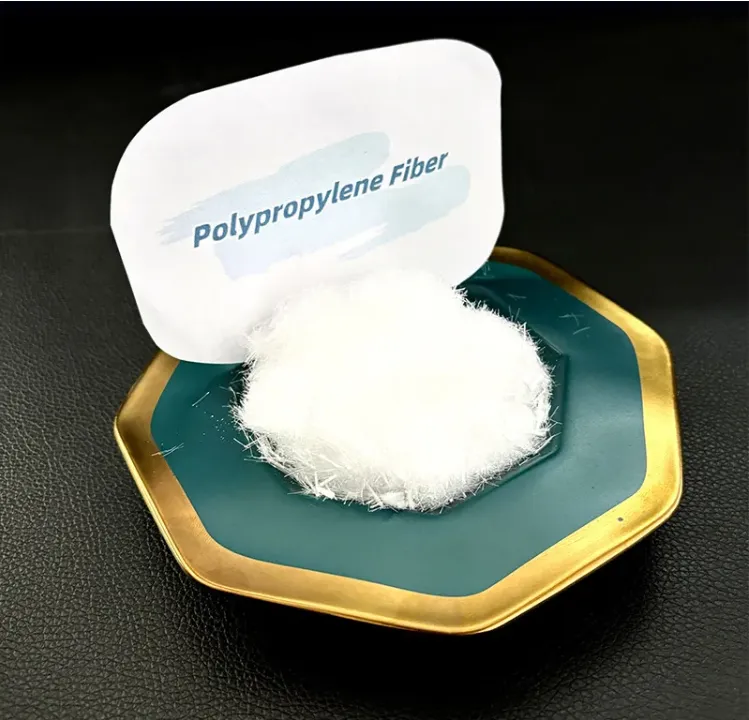



In the world of modern construction, synthetic fibers have revolutionized the way materials are used, enhancing the strength, flexibility, and durability of various building components. The different types of synthetic fibers available today are engineered for specific uses, making them indispensable in many construction projects. These fibers are often used to reinforce concrete, improve the resilience of building structures, and provide additional benefits like increased fire resistance and weather protection. From polypropylene fibers to long glass fibers , synthetic fibers offer a range of options tailored to different needs. Whether it’s increasing the strength of cement or providing insulation properties, the different types of synthetic fibers ensure that construction projects meet high standards of quality and longevity. In addition to their superior performance, synthetic fibers are often more cost-effective and readily available than traditional materials. This makes them a preferred choice for construction companies aiming to reduce costs while maintaining high-quality results. Furthermore, the environmental impact of synthetic fibers is increasingly being addressed with sustainable production methods, making them a more eco-friendly option for the construction industry. Long Glass Fiber Polypropylene: A Key Ingredient for Stronger Materials One of the standout synthetic fibers in the construction industry is long glass fiber polypropylene . This innovative fiber combines the strength of glass with the lightweight, corrosion-resistant properties of polypropylene. As a result, long glass fiber polypropylene is often used to reinforce concrete and other building materials, providing a significant boost in durability and performance. The inclusion of long glass fiber polypropylene in construction materials helps reduce cracking and improve the structural integrity of buildings and roads. The long fibers create a matrix that distributes stresses evenly across the material, preventing localized damage. This fiber is particularly useful in high-strength concrete applications where additional reinforcement is needed. Moreover, long glass fiber polypropylene is highly resistant to environmental factors like moisture, UV radiation, and temperature changes, making it ideal for both indoor and outdoor construction projects. It is commonly used in applications like paving, drainage systems, and even in the production of prefabricated building components. Its versatility and effectiveness in improving the lifespan and reliability of building materials make it a go-to solution for modern construction needs. Fibre Natural and Synthetic: A Comparison of Strength and Sustainability When choosing materials for construction, understanding the difference between fibre natural and synthetic options is crucial. While natural fibers such as jute, hemp, and cotton have been traditionally used in construction, synthetic fibers like polypropylene, polyester, and nylon have emerged as more durable and cost-effective alternatives. Fibre natural and synthetic materials each have their own advantages, making them suitable for different types of applications. Natural fibers are renewable, biodegradable, and often produced using more sustainable methods, making them a more eco-friendly option. However, they may not offer the same level of strength or resistance to environmental factors as synthetic fibers. On the other hand, synthetic fibers are engineered for durability, offering superior resistance to moisture, heat, and wear. They are often used to enhance the properties of natural materials, making them more suitable for demanding construction environments. For example, natural fibers like hemp may be used in insulation or as a reinforcement material in low-stress applications, while synthetic fibers like polypropylene or polyester are used for high-strength reinforcement in concrete, roofing, and other critical structures. By combining the best of both fibre natural and synthetic materials, construction companies can achieve optimal performance and sustainability. Non-Woven Polypropylene Fiber: A Revolutionary Material in Construction Non woven polypropylene fiber is another essential material that is increasingly being used in the construction industry. Unlike traditional woven fabrics, non woven polypropylene fiber is made from a process that bonds fibers together without weaving or knitting, resulting in a highly versatile material with excellent durability and moisture resistance. This fiber is widely used in applications like drainage systems, geotextiles, and road construction. Non woven polypropylene fiber provides a lightweight yet strong solution for reinforcing construction materials. It is often used in soil stabilization, as it helps prevent erosion and improves the strength of the ground underneath roads, bridges, and buildings. The material's ability to resist moisture also makes it ideal for protecting against corrosion and extending the lifespan of infrastructure. Additionally, non woven polypropylene fiber is environmentally friendly, as it is made from recyclable polypropylene, a material that can be repurposed for various other uses. Its cost-effectiveness, combined with its high-performance qualities, makes it a popular choice for contractors seeking durable and sustainable solutions for their construction projects. S ynthetic F ibers FAQs What are the different types of synthetic fibers used in construction? Synthetic fibers used in construction include polypropylene, polyester, nylon, and glass fibers. Each type is engineered for specific applications, such as reinforcing concrete, improving durability, and providing insulation. What is long glass fiber polypropylene, and why is it important in construction? Long glass fiber polypropylene is a fiber that combines the strength of glass with the lightweight, corrosion-resistant properties of polypropylene. It is essential in construction for reinforcing concrete, improving structural integrity, and preventing cracking. What are the benefits of using natural fibers in construction? Natural fibers , like hemp or jute, offer benefits such as renewability, biodegradability, and sustainability. They are commonly used for insulation and low-stress reinforcement, but may not be as durable or resistant to environmental factors as synthetic fibers. How does non-woven polypropylene fiber differ from woven fabrics? Unlike woven fabrics, non-woven polypropylene fiber is made through a bonding process that does not involve weaving or knitting. This results in a highly durable and moisture-resistant material, commonly used in geotextiles, drainage systems, and soil stabilization. Are synthetic fibers environmentally friendly? While synthetic fibers are often made from petroleum-based products, many are now produced using more sustainable methods. Additionally, materials like non woven polypropylene fiber are recyclable, making them a more environmentally friendly choice in construction. As construction needs evolve, synthetic fibers like long glass fiber polypropylene and non woven polypropylene fiber continue to play a crucial role in enhancing the strength, durability, and sustainability of building materials. If you're in the construction business, investing in these cutting-edge fibers will improve the performance of your projects and contribute to more eco-friendly practices. Visit our website today to explore our wide range of high-quality synthetic fibers and learn how they can transform your construction projects!
- 40000tons

Production
- 20+years

Experience
- 5000+㎡

Acreage

-

The formulation of high-performance cement-based renders and plasters demands precision-engineered additives. Industrial-scale manufacturers increasingly rely on specialized cellulose ethers like MHEC cellulose to achieve critical performance benchmarks. As leading Methocel suppliers expand their technical portfolios, bulk procurement of hydroxy methyl propyl cellulose derivatives becomes strategically vital for render producers. These materials not only enhance fundamental properties like workability and adhesion but also create formulation synergies with complementary products such as hpmc tile adhesive . For wholesalers and large-volume manufacturers, understanding the technical nuances between HPMC cellulose and MHEC cellulose unlocks significant operational advantages across production lines. This article examines how bulk integration of these cellulose ethers transforms render and plaster manufacturing economics. Technical Superiority of MHEC Cellulose in Render Applications MHEC cellulose delivers distinct performance advantages in cementitious render systems compared to standard HPMC cellulose . Its molecular structure provides exceptional water retention capabilities that maintain optimal hydration conditions throughout the curing process. This characteristic proves particularly valuable in large-scale plaster applications where extended open time prevents premature drying and minimizes shrinkage cracks. When sourcing from specialized Methocel suppliers , bulk buyers gain access to MHEC cellulose with enhanced compatibility profiles that outperform conventional hydroxy methyl propyl cellulose in demanding exterior applications. The material demonstrates superior resistance to temperature fluctuations and alkaline environments inherent in cement matrices. Render manufacturers frequently leverage these properties when developing high-performance systems requiring consistent workability under varying climatic conditions. The technical synergy between MHEC cellulose and common hpmc tile adhesive components enables formulators to create unified product lines with shared raw material inventories. Strategic Procurement from Specialized Methocel Suppliers Establishing partnerships with technical-grade Methocel suppliers represents a critical success factor for render manufacturers operating at scale. Reputable suppliers provide comprehensive batch documentation covering essential parameters including viscosity profiles, ash content analysis, and pH stability reports. These certifications ensure consistent performance across production batches – a fundamental requirement for industrial-scale render manufacturing. Progressive Methocel suppliers offer customized substitution levels tailored to specific climatic challenges, enabling formulators to optimize renders for regional application conditions. Container-load logistics solutions facilitate cost-efficient procurement strategies for bulk quantities of both HPMC cellulose and MHEC cellulose . For enterprises manufacturing both hpmc tile adhesive and cement renders, consolidated sourcing through single-source Methocel suppliers significantly streamlines quality assurance protocols. Technical dossiers documenting MHEC cellulose performance in sustainable plaster formulations further assist bulk buyers in meeting evolving environmental standards across global markets. Formulation Synergies Between Renders and Hpmc Tile Adhesives Significant operational efficiencies emerge when manufacturers leverage cellulose ether compatibility across different product categories. The chemical foundation shared between hpmc tile adhesive formulations and cement renders creates natural material synergies. Hydroxy methyl propyl cellulose specified for adhesive production often demonstrates excellent performance in base-coat render applications, particularly where high water retention capabilities are required. The distinctive rheological properties of MHEC cellulose provide valuable sag resistance in both vertical tile installations and thick plaster applications. Bulk procurement managers capitalize on these technical overlaps by negotiating volume-based agreements with Methocel suppliers covering multiple product lines. This integrated approach to HPMC cellulose and MHEC cellulose acquisition reduces testing overhead and simplifies raw material storage logistics. The adaptability of hydroxy methyl propyl cellulose across product categories enables manufacturers to maintain flexible production scheduling while minimizing inventory complexity. Bulk Optimization Strategies for Hpmc Cellulose Ethers Industrial-scale optimization of hydroxy methyl propyl cellulose procurement requires multi-faceted strategic planning. Technical consultation with Methocel suppliers ensures precise grade selection aligned with regional climate challenges and application requirements. Progressive manufacturers implement inventory hybridization strategies that strategically blend HPMC cellulose for interior applications with premium MHEC cellulose for exterior systems. This balanced approach achieves optimal cost-performance ratios across product portfolios. Forward-looking procurement specialists prioritize cellulose ethers with compliance documentation for emerging regulatory frameworks, future-proofing production capabilities. The consolidation of hpmc tile adhesive and render raw material requirements generates substantial economies of scale during transportation and quality verification processes. Technical collaboration with Methocel suppliers facilitates development of customized cellulose ether blends that address specific manufacturing challenges while maintaining batch-to-batch consistency across bulk shipments. FAQs: H pmc Cellulose Ethers in Industrial Construction Materials What distinguishes MHEC cellulose performance from HPMC cellulose in renders? MHEC cellulose demonstrates superior performance stability in high-alkaline cement environments compared to standard HPMC cellulose , providing more consistent water retention and workability maintenance throughout the application window. This difference becomes particularly significant in challenging climatic conditions. Do Methocel suppliers provide technical support for regional formulation challenges? Reputable Methocel suppliers offer comprehensive technical consultation services, recommending specific hydroxy methyl propyl cellulose grades and substitution levels optimized for local temperature ranges, humidity conditions, and application methodologies. How does MHEC cellulose integrate with polymer-modified adhesive formulations? MHEC cellulose demonstrates excellent compatibility with polymer-modified systems commonly used in hpmc tile adhesive , enhancing cohesion properties without interfering with critical setting mechanisms or final bond strength development. What procurement advantages exist for bulk MHEC cellulose acquisition? Leading Methocel suppliers provide dedicated logistics support for container-scale shipments of MHEC cellulose , creating significant economies of scale while ensuring consistent material availability for continuous render production operations. How does hydroxy methyl propyl cellulose selection impact plaster application efficiency? Properly specified hydroxy methyl propyl cellulose significantly extends the workable application window for plasters, enabling larger continuous sections to be finished before setting occurs, thereby optimizing labor utilization on major construction projects.
-

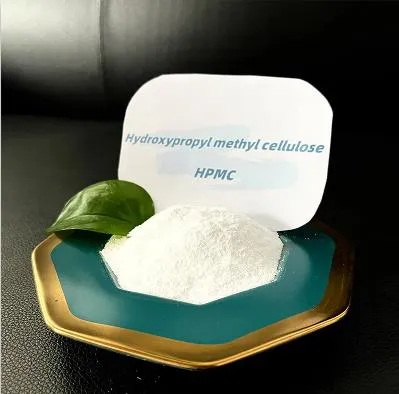
Hydroxypropyl methylcellulose, abbreviated as HPMC, is revolutionizing various industries due to its versatile applications and benefits, combining scientific expertise and industry authority. This remarkable compound, a cellulose-derived polymer, is primarily appreciated for its excellent properties as a thickener, emulsifier, and film-former, making it indispensable in numerous product formulations. In the pharmaceutical industry, hydroxypropyl methylcellulose plays a crucial role in advancing drug delivery systems. As a pharmaceutical excipient, it acts as a controlled-release agent, effectively regulating the release rate of active ingredients in medications. This capability enhances patient compliance and ensures sustained therapeutic effects, contributing to its widespread acceptance among healthcare professionals. Moreover, HPMC's application in the food industry is noteworthy. It is often used as a food additive, stabilizing and thickening products, thereby improving texture and volume. Many gluten-free recipes include HPMC to mimic the functions of gluten, ensuring that gluten-intolerant individuals can enjoy a similar culinary experience without health risks. This adaptability demonstrates HPMC's authority in creating inclusive food solutions that cater to diverse dietary requirements. The personal care sector also benefits significantly from hydroxypropyl methylcellulose. In formulations for shampoos, conditioners, and lotions, it enhances the viscosity and stability, ensuring a pleasing texture. Its role as a film-former helps in forming a protective layer, locking in moisture, which is especially beneficial in skin-care products aimed at hydration and protection. Consumers seeking reliable, science-backed products trust brands incorporating HPMC for reputable, premium quality offerings. hydroxypropyl methylcellulose used for The construction industry utilizes the unique properties of HPMC in producing superior building materials. It serves as a vital component in cement-based mortars and plasters due to its water-retention and consistency-enhancing properties. By improving the workability and setting time of these mixtures, HPMC ensures the durability and robustness of construction projects, underlining its significance in modern architectural advances. In addition, hydroxypropyl methylcellulose contributes to sustainability efforts . Its biodegradable nature and low environmental impact resonate with eco-conscious companies striving to minimize ecological footprints. This quality is particularly appealing in packaging solutions, where eco-friendly alternatives are increasingly demanded. Professionals and manufacturers across these industries continually express confidence in hydroxypropyl methylcellulose due to its scientifically proven efficacy and reliability. Backed by extensive research and regulatory approvals, HPMC stands as a trustworthy component, providing innovative solutions that meet stringent safety and quality standards. In conclusion, hydroxypropyl methylcellulose's broad applications, supported by scientific expertise and trusted by industry professionals, make it a pivotal element in product formulations across pharmaceuticals, food, personal care, construction, and more. Its efficiency and eco-friendly nature position it as an invaluable ally for businesses committed to excellence and sustainability.
advantages
-

200000 Viscosities
Excellent product
We can produce pure products up to 200,000 viscosities
-

40000 tons
High yield
We don’t stop production all year round, and the annual output can reach 40,000 tons
-

24 hours
Quality service
We provide 24-hours online reception service, welcome to consult at any time
———— Inquiry Form
Schedule A services

-
 hpmc_juice_bar
Oct . 25, 2025
Retaining optimal eye health in today’s digitally-driven world poses a significant challenge, with i -
 pp_fiber_price
Oct . 25, 2025
Rubber powder, often identified by its industry code as Rubber Powder-821, is garnering attention fo -
 selulosi_iliyotengenezwa_kwa_kuni_ni_nini
Oct . 25, 2025
Hypromellose, auch bekannt als HPMC, ist ein vielseitiger Zusatzstoff, der häufig in der Pharma-, Le


